

Storm Damage Repair & Restoration for Homeowners
Hail, high winds, and severe storms can cause damage that isn’t always obvious—but ignoring it can lead to costly repairs down the road. Western Products helps homeowners across North Dakota, South Dakota, and Western Minnesota restore their homes quickly, correctly, and with confidence.








When a Storm Hits Your Home, You Don’t Have to Navigate It Alone
With decades of experience and a local team you can trust, we guide you through every step of storm damage repair—from inspection to final walkthrough.
How Hail Can Damage Your Home
Hail can cause significant damage to your home’s exterior, shortening the lifespan of your roofing, siding, and gutter systems. Larger hailstones can crack shingles, break siding panels, and dent gutters, while repeated impact can weaken your home’s ability to protect against water intrusion. Left unaddressed, hail damage can lead to leaks, mold growth, and costly structural repairs. Having your home inspected after a storm ensures any damage is identified early and properly repaired to protect your investment.
Hail Size Comparison Chart
Know the size. Know the potential damage.
| SMALL | MEDIUM | LARGE | VERY LARGE |
|---|---|---|---|
|
Pea Size Hail
Diameter: up to 1/4 inch (up to 6 mm)

Compared to:
A Pea Typically causes little to no damage.
|
Nickel Size Hail
Diameter: 5/8 inch (16 mm)
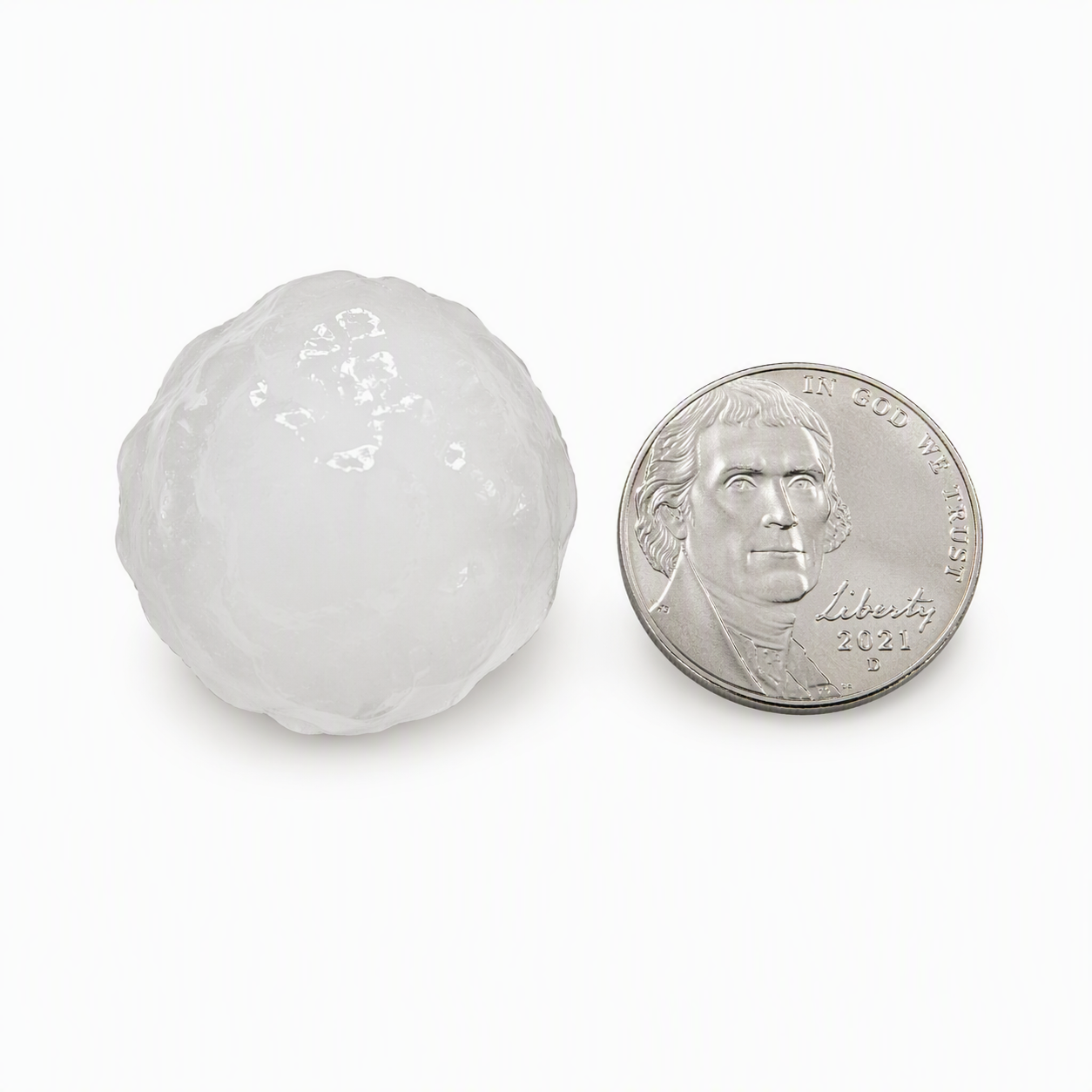
Compared to:
A Nickel Can cause minor damage to vehicles, siding, and plants.
|
Golf Ball Size Hail
Diameter: 1 3/4 inch (44 mm)

Compared to:
A Golf Ball Can cause significant damage to roofs, vehicles, windows, and outdoor equipment.
|
Softball Size Hail
Diameter: 2 3/4 inch (70 mm)

Compared to:
A Softball Can cause severe damage to roofs, vehicles, homes, and structures.
|
Why Size Matters
Hail can damage roofs, siding, windows, vehicles, and more. Larger hailstones have the potential to cause more severe and costly damage to your home and property.
After a Hailstorm
Inspect your property for damage. If you suspect damage, contact a qualified professional.
Note: Hail can vary in size and density. This chart provides general size guidelines.
What to Look for After a Hailstorm
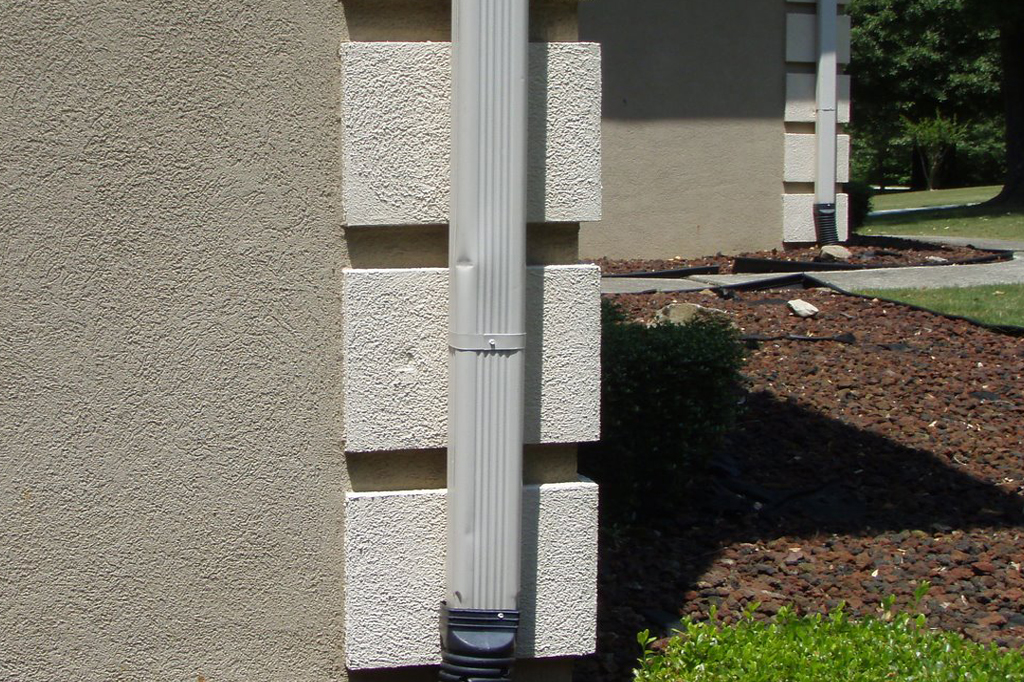
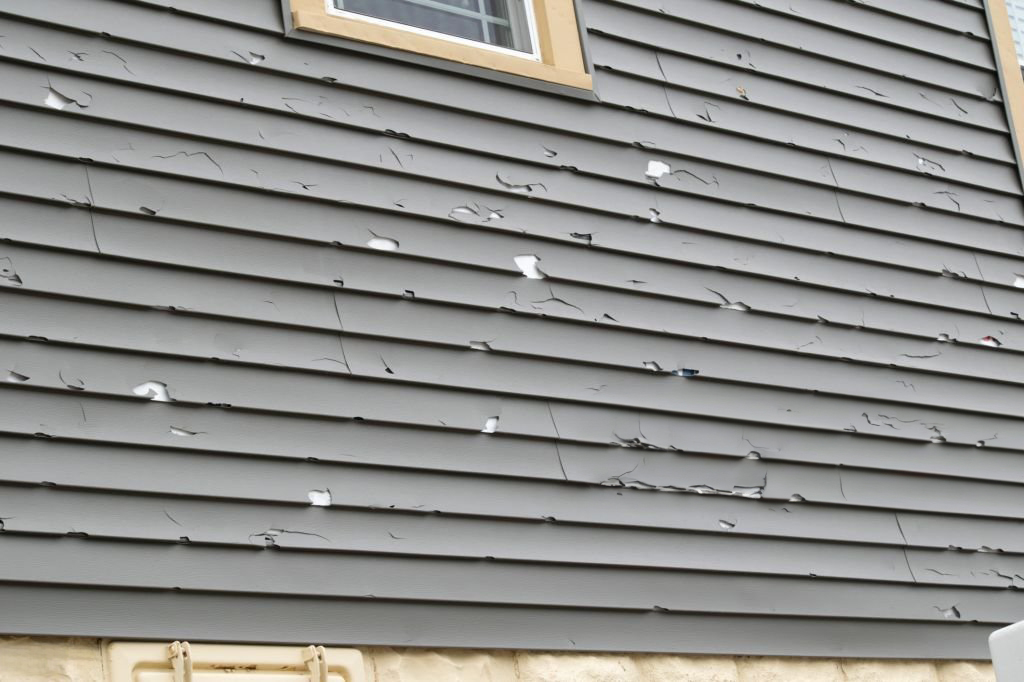
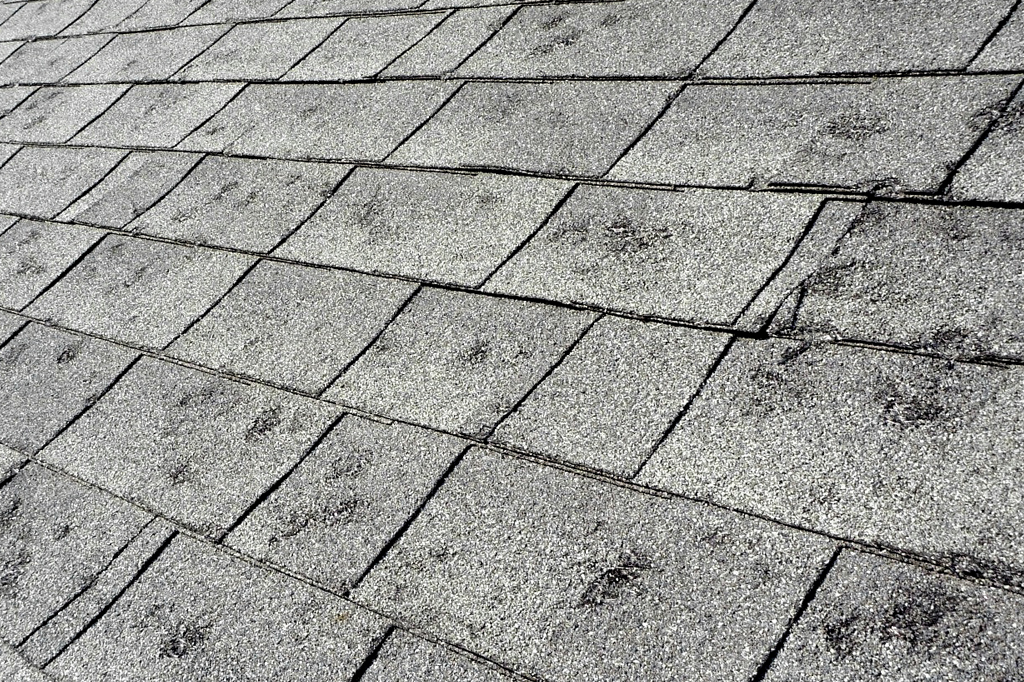
After a hailstorm, it’s important to check your home for signs of damage that may not be immediately noticeable. Look for dents or bruising on siding, cracks or missing granules on shingles, and dings in gutters, downspouts, or metal surfaces. Soft spots, discoloration, or loose materials can all indicate impact damage that may worsen over time. Even smaller hail can compromise protective surfaces, allowing moisture to seep in and lead to bigger issues.
What to Look for After High Winds
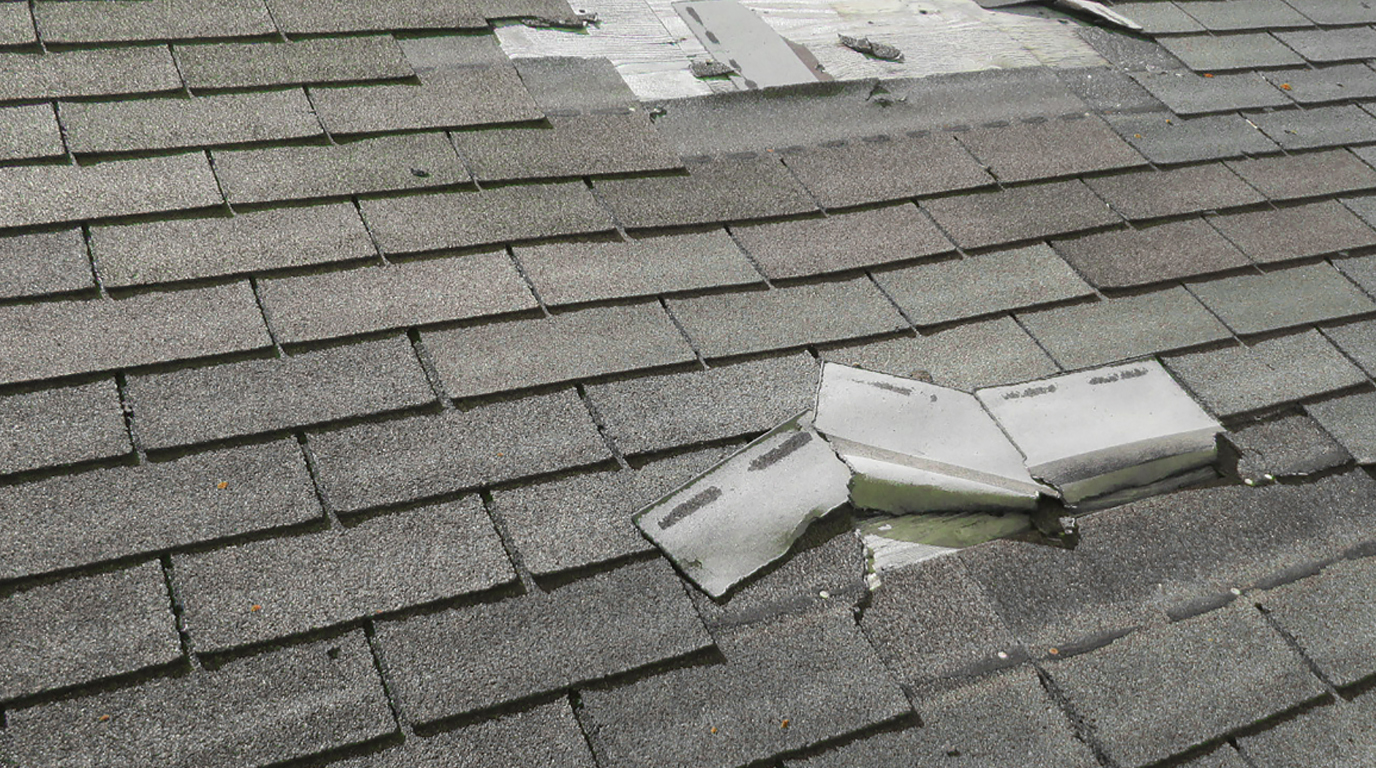
After a windstorm, take time to inspect your home for visible and hidden damage. Look for missing, lifted, or creased shingles on your roof, loose or cracked siding panels, and gutters or downspouts that have pulled away from the home. You may also notice debris impact marks, exposed underlayment, or areas where materials appear misaligned. Even if everything looks intact from the ground, strong winds can loosen materials and create vulnerabilities that lead to bigger issues over time.
Wind Speed & Home Damage Guide
Understand how wind speed can affect your home's roof, siding, windows, and exterior.
| MODERATE WINDS | STRONG WINDS | SEVERE WINDS | EXTREME WINDS |
|---|---|---|---|
|
Moderate Winds
40–50 MPH
YOUR-MODERATE-WIND-IMAGE.png
Exposure:
Several Hours
Minor shingle lifting, loose flashing, small branch damage, and debris accumulation.
Recommended Action:
Schedule an inspection within one week. |
Strong Winds
50–75 MPH
STRONG-WIND-IMAGE.png" class="hail-img" alt="House affected by strong winds">
Exposure:
Brief Exposure
Missing shingles, damaged siding, gutter damage, broken windows, and fallen branches.
Recommended Action:
Schedule a professional inspection immediately. |
Severe Winds
75–100 MPH
YOUR-SEVERE-WIND-IMAGE.png
Exposure:
Minutes
Significant roof damage, siding loss, broken windows, garage door damage, and large tree failures.
Recommended Action:
Contact a storm damage specialist as soon as possible. |
Extreme Winds
100+ MPH
YOUR-EXTREME-WIND-IMAGE.png
Exposure:
Immediate Impact
Major structural damage, partial roof loss, wall failure, extensive window damage, and fallen trees.
Recommended Action:
Emergency assessment and temporary protection measures may be required. |
What to Look for After a Windy Thunderstorm
High winds can compromise your home’s exterior by lifting roofing materials, loosening siding, and damaging gutters that are essential for directing water away from your foundation. Once materials are weakened or displaced, your home becomes more susceptible to leaks, moisture intrusion, and long-term structural damage. Addressing wind damage early helps prevent costly repairs and ensures your roofing, siding, and gutter systems continue to protect your home effectively.

Helping Homeowners Recover from Hail, Wind, and Storm Damage
What to Expect From a Hail and Wind Damage Inspection & Consultation
- Immediate repairs for urgent damage
- Free, no-obligation inspections
- Honest assessments and clear guidance
- Assistance with insurance claims
- Local crews who understand Midwest storms
Licensed in Minnesota, North Dakota, and South Dakota, Western Products will guide you through the storm damage repair and restoration process from the initial inspection to the final walkthrough. Contact us today at 701-356-7357 or fill out our request form to schedule your free inspection!